

A Conversation You Have Probably Already Had
You have probably heard CBD mentioned by a friend at dinner, a yoga instructor after class, or a nurse who quietly shared a tip after a long shift. Here is the short answer up front: CBD (cannabidiol) is a non-intoxicating compound from the hemp plant that interacts with your body's endocannabinoid system — an internal balancing network that influences pain, sleep, mood, appetite, and inflammation. That is why so many adults reach for it when prescriptions stop earning their keep and a glass of wine at the end of the day no longer works the way it used to.
Most articles online stop there, hand you a few marketing terms, and push you toward a bottle of uncertain origin. At Soothe Organic, we come at this from a different angle. Our founder, John Adams, spent 30 years inside the American healthcare system before building this company in Casper, Wyoming. He watched the prescription treadmill up close, watched his own brother disappear inside it, and decided to build something honest on the other side. This post is the real, unhurried explanation of what CBD is, what the endocannabinoid system does, and how the two fit together inside the human body.
Key Takeaways
- CBD is non-intoxicating. It interacts with the endocannabinoid system (ECS) without producing a high.
- The ECS regulates pain, sleep, mood, appetite, and immune response — it is your body's internal balancing system.
- CBD works indirectly by modulating CB1 and CB2 receptors, slowing enzymes that break down your body's own endocannabinoids, and influencing serotonin and GABA pathways.
- Research suggests possible benefits for pain, anxiety, epilepsy, skin inflammation, and recovery — though more human studies are needed.
- Source matters. Only about 5% of CBD brands carry USDA Certified Organic. Soothe Organic is one of them.
Why the Science Matters (Especially Right Now)
If you or someone you love is stacking prescriptions and still not feeling well, you already know the question: is there a cleaner option worth trying? The people who reach out to us about CBD are rarely casual browsers. They are adults in their 40s, 50s, and 60s managing chronic pain, broken sleep, or the low hum of anxiety that never quite turns off. They are daughters and sons caring for a parent lost in the fog of dementia, or a sibling recovering from cancer treatment. They are runners, lifters, and early-morning executives who need their bodies to keep up with their lives. They share one instinct: they refuse to settle for medicated silence when presence is what they actually want.
Understanding the science matters because it changes how you buy. Once you know what CBD is doing inside your body, a milligram on a label stops being a guess. You can tell the difference between a brand making vague claims and one publishing third-party lab results for every batch. You start asking harder questions — like where was the hemp grown, was it USDA Certified Organic, and who is actually standing behind the bottle.
The honest answer to the core question: CBD is a plant compound that supports the body's own regulatory system rather than overriding it. That is why the conversation around CBD looks so different from the conversation around a prescription. It is also why cutting corners on quality matters so much. CBD is only as good as the hemp it came from.
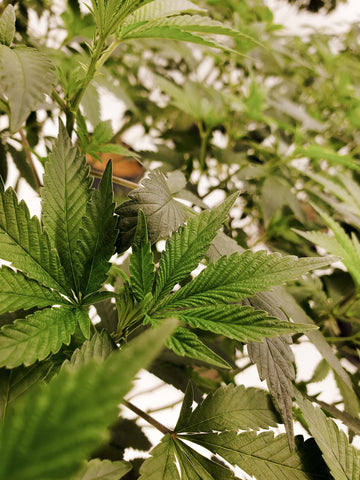
Understanding the Endocannabinoid System
The endocannabinoid system (ECS) is a cell-signaling network that runs quietly through your brain, nervous system, immune system, skin, and gut. Its job is homeostasis — the steady state your body is always trying to return to. When stress spikes, the ECS helps bring you back down. When you get hurt, it helps dial inflammation up and then back off. A 2018 review in Frontiers in Immunology described the ECS as one of the most important physiological systems involved in establishing and maintaining human health.
The ECS has three working parts:
- Endocannabinoids: Compounds your body produces on its own — including anandamide (AEA) and 2-arachidonoylglycerol (2-AG). Anandamide is sometimes called the "bliss molecule" because of its role in mood.
- Cannabinoid receptors: CB1 receptors, concentrated in the brain and central nervous system, and CB2 receptors, concentrated in the immune system and peripheral tissues. They receive signals from the endocannabinoids.
- Enzymes: Fatty acid amide hydrolase (FAAH) breaks down anandamide after it has done its job, and monoacylglycerol lipase (MAGL) does the same for 2-AG. This keeps the system responsive rather than constantly "on."
Think of it as your body's thermostat. When the house gets too warm, the system adjusts. When you are under chronic stress, sleeping badly, or eating inflammatory foods for years on end, the thermostat can drift out of range. Low ECS tone — what researchers call clinical endocannabinoid deficiency — has been proposed as a contributor to conditions like migraine, fibromyalgia, and irritable bowel syndrome.
How CBD Interacts With the Endocannabinoid System
Unlike THC, which binds directly to CB1 receptors and produces intoxication, CBD works indirectly. It does not make you high. It nudges the system. Here is what research actually shows:
- Receptor modulation. CBD influences CB1 and CB2 receptors without binding to them the way THC does. In full-spectrum products, this is part of why CBD can soften THC's psychoactive effects while preserving its therapeutic ones.
- Enzyme inhibition. CBD slows FAAH, the enzyme that breaks down anandamide. The result is more of your body's own "bliss molecule" staying in circulation longer — a mechanism that may support mood and calm.
- TRPV1 activation. CBD activates TRPV1 receptors, which play a role in pain, inflammation, and temperature regulation. Researchers believe this pathway contributes to CBD's potential role in neuropathic pain.
- Serotonin and GABA support. CBD interacts with 5-HT1A serotonin receptors and GABA-A receptors — pathways tied to mood regulation and the body's natural calming response.
That is a lot of moving parts for one plant compound. The short version: CBD does not override your system. It supports what your body is already trying to do.
What the Research Suggests About CBD's Potential Benefits
A note on language before we go further. CBD is not a cure for anything, and Soothe Organic does not make medical claims. What follows is a plain-English summary of peer-reviewed research, not medical advice. Always talk to your healthcare provider about your specific situation.
Pain and Inflammation
Research suggests CBD may support the management of neuropathic, inflammatory, and post-exertion pain. A 2019 study in Postgraduate Medicine found that CBD-rich hemp extract was associated with a reduction in opioid use and improvements in pain and quality of life in chronic pain patients (PubMed). Results vary by person and condition, and the International Association for the Study of Pain notes that the evidence base for musculoskeletal pain is still building.
Anxiety and Daily Stress
A 2015 review in Neurotherapeutics examined preclinical and clinical evidence for CBD as a potential anxiolytic, with applications including generalized anxiety disorder, social anxiety disorder, and PTSD (NIH / PubMed Central). Newer work continues to support CBD's role in easing anxiety without the side effects typically associated with THC.
Seizure Disorders
The FDA-approved Epidiolex, a prescription CBD, for seizures associated with Lennox-Gastaut syndrome, Dravet syndrome, and tuberous sclerosis complex. Clinical trials showed a meaningful reduction in seizure frequency — the clearest regulatory recognition of CBD's clinical value to date (FDA).
Skin Conditions
A 2019 clinical study in La Clinica Terapeutica reported improvements in skin hydration, elasticity, and inflammation in people using a CBD-enriched ointment for psoriasis, atopic dermatitis, and related inflammatory skin conditions (PubMed). Topical CBD acts locally on the skin and underlying tissue.
Recovery and Cravings
Early research suggests CBD may reduce cue-induced cravings related to some substances and support recovery efforts. Much more clinical work is needed before any definitive conclusion, but the direction of the research is promising.
CBD At A Glance: A Condition-by-Condition Reference
Use this as a quick reference. None of it replaces a conversation with your doctor, especially if you take other medications.
|
Condition |
What Research Suggests |
Soothe Organic Option |
|
Muscle and joint soreness |
May support a reduction in pain perception and inflammation (Capano et al., 2019) |
Broad-Spectrum CBD Sports Cream |
|
Anxiety and daily stress |
May support a calmer mood through serotonin and GABA pathways (Blessing et al., 2015) |
Mint Organic Full-Spectrum CBD + CBG Tincture |
|
Restless sleep |
Small studies show CBD may support longer, less fragmented sleep when dosed consistently |
Full-Spectrum CBD Softgels |
|
Skin dryness and irritation |
May support the skin barrier and reduce visible inflammation (Palmieri et al., 2019) |
Broad-Spectrum CBD Salve |
|
Seizure disorders (Dravet, LGS, TSC) |
FDA-approved prescription CBD (Epidiolex) shown to reduce seizure frequency in clinical trials |
Prescription only — ask your physician |

The Soothe Organic Difference
This is where most CBD brands stop being honest. If you cannot prove the quality, you cannot claim it. Soothe Organic is one of the roughly 5% of CBD brands carrying USDA Certified Organic — the federal designation that confirms the hemp was grown without synthetic pesticides, herbicides, or fertilizers, and that the processing facility met strict standards from seed to bottle. Every Soothe Organic batch is third-party tested for more than 50 contaminants, and we publish the results. Every bottle is backed by our 60-day money-back promise. We are family owned, based in Casper, Wyoming, and every product is made the way our founder would make it for his own family — because several of them already use it. If you are ready to start, our CBD tinctures are the most flexible way to explore how CBD interacts with your system. They work under the tongue in minutes and let you adjust the dose drop by drop.
How to Actually Use CBD: A Simple First-Month Protocol
Here is the protocol we walk friends and family through — the one we wish every new CBD customer received on day one.
- Start low. Begin with 10 to 15 mg of CBD once a day. Most people underdose early and quit before the body has a chance to respond.
- Be consistent for two weeks. CBD tends to build a steadier effect over time as your ECS adjusts. A single dose on a stressful Thursday tells you almost nothing.
- Match the form to the goal. Tinctures under the tongue work fastest (15 to 45 minutes). Gummies and softgels last longer (4 to 8 hours) and are better for sleep or all-day calm. Topicals work locally on sore joints and muscles.
- Track what changes. Sleep quality, morning mood, pain levels, or a softer evening — whatever you are trying to shift, write down a one-line note each morning for two weeks.
- Increase slowly if needed. If your baseline dose has not done anything after 10 to 14 days, step up by 5 to 10 mg and repeat. Most people find their sweet spot between 20 and 50 mg per day.
- Talk to your doctor if you take other medications. CBD can interact with some prescriptions because it shares the liver's CYP450 pathway. A 10-minute conversation with your provider is worth more than any blog post.
Week one is about groundwork. Month one is where most people feel the difference.
Related Reading
If this was helpful, you might also enjoy our guide to Best CBD for Sleep. It goes deeper on how the ECS influences sleep architecture and which products fit which sleep profile — a natural next step after understanding how CBD and your endocannabinoid system work together.
Frequently Asked Questions
Q: Is CBD psychoactive, or will it get me high?
A: No. CBD is non-intoxicating. Unlike THC, it does not bind directly to CB1 receptors and does not produce a high. Federally legal hemp-derived CBD products — including every Soothe Organic product — contain no more than 0.3% THC by dry weight, and many of our broad-spectrum products contain no detectable THC at all.
Q: How does CBD work in the body?
A: CBD interacts with the endocannabinoid system (ECS), a cell-signaling network that helps regulate pain, mood, sleep, appetite, and immune response. CBD does not bind directly to CB1 and CB2 receptors the way THC does. Instead, it modulates them, slows the breakdown of the body's own endocannabinoids, and influences serotonin, GABA, and TRPV1 receptors tied to mood and inflammation.
Q: How long does it take for CBD to work?
A: It depends on the format. A tincture held under the tongue typically starts working within 15 to 45 minutes. Gummies and softgels take 45 minutes to 2 hours but last 4 to 8 hours. Topicals act locally on the skin and muscles within 15 to 30 minutes. For most people, two to four weeks of consistent use produces the biggest shift.
Q: What does USDA Certified Organic mean for CBD?
A: USDA Certified Organic is a federal designation confirming that the hemp was grown without synthetic pesticides, herbicides, or fertilizers, and that the processing facility meets strict standards. Only about 5% of CBD brands carry it. Soothe Organic is one of them. It is the single clearest signal that what is on the label is what is in the bottle.
Q: Is CBD safe to take every day?
A: The World Health Organization has reported that CBD has a strong safety profile with no evidence of abuse potential in humans. Side effects are uncommon and usually mild, such as drowsiness or dry mouth. People taking prescription medications should consult their healthcare provider first, because CBD can interact with some drugs through the liver's CYP450 enzyme pathway.
Ready to Refuse to Settle?
Ready to experience the difference USDA Certified Organic CBD can make? Explore our full collection at sootheorganic.com — every Soothe Organic product is third-party tested, backed by a 60-day money-back promise, and made by a 30-year healthcare veteran who refuses to settle. Use code SOOTHE25 for 25% off your first order.
Disclaimer
Soothe Organic is not a medical provider. This post is for informational purposes only and is not intended to diagnose, treat, cure, or prevent any condition. Always consult your healthcare provider before adding CBD to your wellness routine. Soothe Organic | Casper, Wyoming | USDA Certified Organic | Family Owned | (307) 224-2556


